
What is SEO?
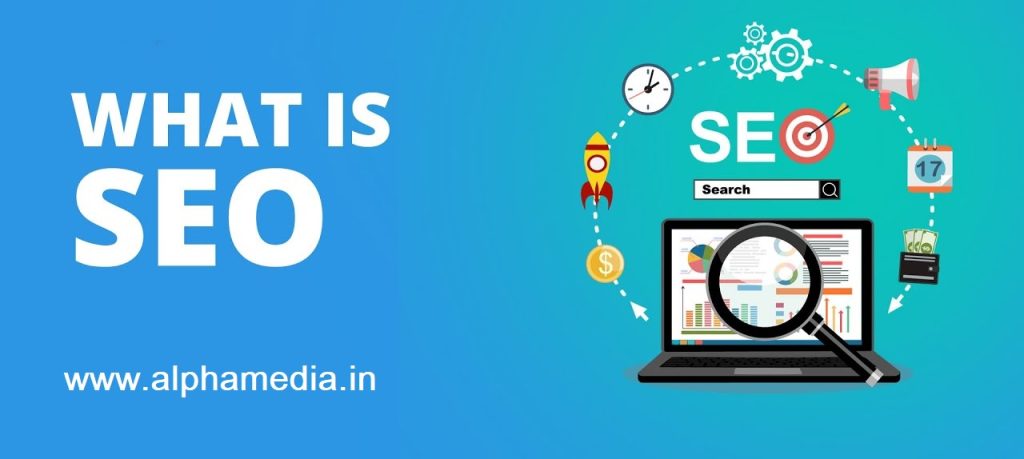
SEO (Search Engine Optimization) is the practice of optimizing your website so that it ranks higher in search engine results pages (SERPs). It involves both technical and content-related strategies that help search engines understand what your website is about and how valuable it is to users.
There are three main types of SEO:
- On-page SEO – Optimizing individual pages (content, keywords, HTML tags).
- Off-page SEO – Building backlinks and social signals.
- Technical SEO – Enhancing site speed, mobile-friendliness, and site architecture.
Why SEO Is Important?
- Increases Organic Traffic: SEO brings unpaid, high-quality visitors to your website.
- Builds Trust & Credibility: High-ranking websites are seen as more trustworthy.
- Improves User Experience: SEO involves improving navigation, mobile responsiveness, and load times.
- Better ROI: Compared to paid ads, SEO delivers long-term results at a lower cost.
- Gives Competitive Advantage: A well-optimized site can outperform your competitors in search rankings.
Elements of a Strong SEO Strategy

1. Keyword Research
Start by identifying the keywords your target audience is searching for. Use tools like Google Keyword Planner, Ubersuggest, or Ahrefs to find relevant keywords with high search volume and low competition.
Example: If your website, GrowthByNK, offers digital marketing services, relevant keywords could be:
- “digital marketing for startups”
- “affordable SEO services India”
- “social media marketing tips”
2. High-Quality Content
Content is king in the SEO world. Google prioritizes pages that provide valuable, original, and relevant content. Make sure your blog posts, service pages, and landing pages are:
- Well-written and informative
- Optimized with keywords (but not keyword-stuffed)
- Updated regularly
Include headings (H1, H2, H3), bullet points, internal links, and call-to-actions (CTAs) to keep users engaged.
3. On-Page Optimization
Every page on your site should be optimized for search engines. Focus on:
- Title tags: Include your main keyword at the beginning.
- Meta descriptions: Write a compelling summary to improve click-through rates.
- Image ALT tags: Help Google understand your images.
- Internal linking: Link to other pages on your site for better navigation and SEO value.
4. Mobile-Friendliness
With mobile devices accounting for over half of web traffic, it’s crucial your website is responsive and looks great on all devices. Use tools like Google’s Mobile-Friendly Test to ensure you’re meeting the standards.
5. Page Speed Optimization
Slow websites lead to higher bounce rates and lower rankings. Use tools like Google PageSpeed Insights or GTmetrix to identify and fix issues like:
- Large image files
- Too many plugins
- Poor hosting services
6. Backlinks and Off-Page SEO
Backlinks (links from other websites to yours) are a major ranking factor. Earn them by:
- Guest posting on reputable blogs
- Getting listed in directories
- Creating shareable content like infographics or how-to guides
Backlinks signal to Google that your content is valuable and authoritative.
Final Thoughts

SEO is not just a marketing tactic—it’s a core part of your digital presence. By focusing on content quality, user experience, and technical optimization, your site can rise to the top of search engine rankings and attract consistent, organic traffic.